
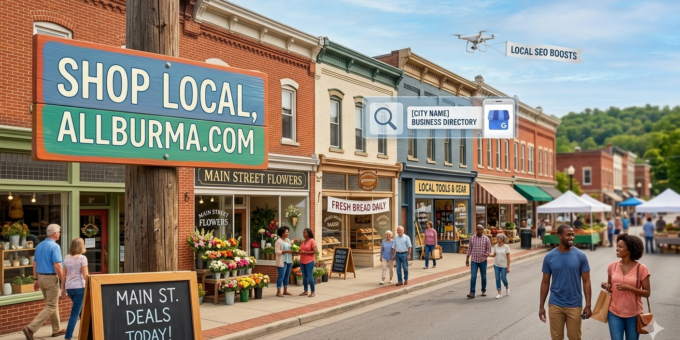
Starting and running a small business is a monumental achievement, but the “build it and they will come” philosophy rarely works in a competitive modern marketplace. To survive and thrive, you must master the art of local advertising. Local advertising isn’t just about shouting the loudest; it’s about reaching the right people in your immediate geographic area at the moment they need your products or services.
This comprehensive guide explores the multi-faceted world of local marketing, from digital dominance to traditional community engagement.
I. Building the Digital Foundation
Before spending a single dollar on paid ads, your business must be “discoverable” online. In the modern era, a local search is the new storefront window.
1. Google Business Profile (GBP): Your Most Powerful Tool
If you only do one thing for your local advertising, let it be optimizing your Google Business Profile. This is what triggers your business to appear in the “Map Pack” (the top three local results on a Google search).
-
Verification: Ensure your business is verified with a physical address.
-
NAP Consistency: Your Name, Address, and Phone number must be identical across the web. Discrepancies confuse Google’s algorithm.
-
Photos and Videos: Businesses with high-quality photos receive 35% more click-throughs to their websites. Post pictures of your interior, your team, and your finished work.
-
Reviews: Actively solicit Google reviews. Respond to every review—both positive and negative—with professionalism and gratitude.
2. Local SEO (Search Engine Optimization)
Local SEO ensures that when someone types “plumber near me” or “[City] coffee shop,” your website appears.
-
Keyword Localization: Use location-specific keywords in your website’s meta titles, descriptions, and headers (e.g., “Best Organic Bakery in [Your Neighborhood]”).
-
Local Landing Pages: If you serve multiple towns, create dedicated pages for each area to capture hyper-local search traffic.
II. Social Media: The Digital Town Square
Social media allows small businesses to build a personality and engage with neighbors in real-time.
1. Facebook Groups and Neighborhood Watch
Facebook remains a powerhouse for local intent. Join local “Community Exchange” or “Residents of [City]” groups.
-
The Golden Rule: Don’t just spam your links. Provide value. If you’re a mechanic, answer someone’s question about a weird engine noise. People buy from those they trust.
2. Instagram and TikTok: The Visual Hook
Local businesses often have a visual edge.
-
Behind the Scenes: Show the process of making your product.
-
Geotagging: Always tag your specific location in posts and stories so local users browsing that area’s feed can discover you.
3. Hyper-Local Paid Social Ads
Facebook and Instagram ads allow for incredibly granular targeting. You can set a “radius” (e.g., 5 miles around your shop) and target users based on interests, age, and even life events (like “recently moved”).
III. Content Marketing: Becoming the Local Authority
Content marketing isn’t just for global brands. By creating content relevant to your community, you position yourself as a helpful neighbor.
1. The Local Blog
Write about things happening in your town, not just your business.
-
Example: A local pet store could write an article titled “The Top 5 Dog-Friendly Parks in [City Name].” This attracts local traffic that might eventually need pet supplies.
2. Video Marketing
A simple smartphone video introducing yourself and your staff can humanize your business. Share these on YouTube (optimized with local keywords) and embed them on your site.
IV. Traditional Local Advertising: The “Old School” Advantage
Digital isn’t everything. In a local context, physical presence often carries more weight and “realness.”
1. Direct Mail (EDDM)
The USPS Every Door Direct Mail service is surprisingly cost-effective for small businesses. You can choose specific mail routes to ensure your flyer hits every house in a specific neighborhood. This is perfect for home services, restaurants, and retail grand openings.
2. Community Sponsorships
Supporting the local Little League team or a high school theater production does more than just get your logo on a banner. It builds brand equity. Neighbors remember the businesses that support their children and community events.
3. Networking and Chambers of Commerce
Never underestimate the power of a handshake. Joining your local Chamber of Commerce or a BNI (Business Network International) group can lead to a steady stream of professional referrals.
V. Strategic Partnerships: The Power of Collaboration
Find a non-competing business that shares your target audience and propose a partnership.
-
Cross-Promotion: A gym and a health food cafe can offer “Show your receipt and get 10% off” deals for each other.
-
Joint Events: Host a “Block Party” or a “Sidewalk Sale” with neighboring businesses to pool your marketing resources and draw a larger crowd.
VI. Loyalty and Referral Programs
The cheapest customer to get is the one you already have.
-
Referral Incentives: Offer a “Refer a Neighbor” discount. Word-of-mouth is the most powerful form of local advertising because it comes with an inherent seal of approval.
-
Loyalty Cards: Simple “Buy 9, Get the 10th Free” cards work exceptionally well for high-frequency businesses like cafes, salons, or car washes.
VII. Tracking and Analytics
You cannot improve what you do not measure. Use tools like Google Analytics and Search Console to see where your web traffic is coming from. If you use physical flyers, include a unique QR code or a “Mention this flyer for 10% off” code to track which methods are actually driving sales.
Conclusion
Advertising a small business locally is a marathon, not a sprint. It requires a balanced mix of digital savvy, community involvement, and consistent customer service. By claiming your digital territory through Google, engaging with your neighbors on social media, and supporting local causes, you create a brand that isn’t just a business—it’s a staple of the community.
Success doesn’t happen overnight, but by implementing these layers of strategy, your business will become the first thing neighbors think of when they need the services you provide.
